
inconvenient ghosts
What is it about ghosts?
Their stories terrify us. The mere suggestion of their presence put our hairs on edge (or is that just me?), but whether we believe in them or not, ghosts persistently intrigue us; and there’s good reason.
Ghost stories have always been a part of our culture - there are records dating back to c1500 BCE. And like all good stories, they reflect the society telling them. Those early ghosts brought reminders about ancestor-worship and after-life preparation while medieval ghosts brought messages of living a sin-free life. The Victorians, who became obsessed with and perfected the ghost story, gave us a glimpse of how they straddled their contrasting spiritual values with the modern, mechanical world they found themselves in.
But ghosts do more than reveal the times. They offer an exciting storytelling medium. They have the ability to expose the world in ways that transcend the living, often revealing things that the living can’t see or are trying to hide. Time, space, and movement don’t necessarily hold boundaries for a ghost, or can set its boundaries. Ghosts are creative too. Without words, they find inventive ways to make themselves heard. Their abilities allow for a unique freedom in storytelling and perhaps that’s their beauty; why ghost stories never seem to go out of fashion.
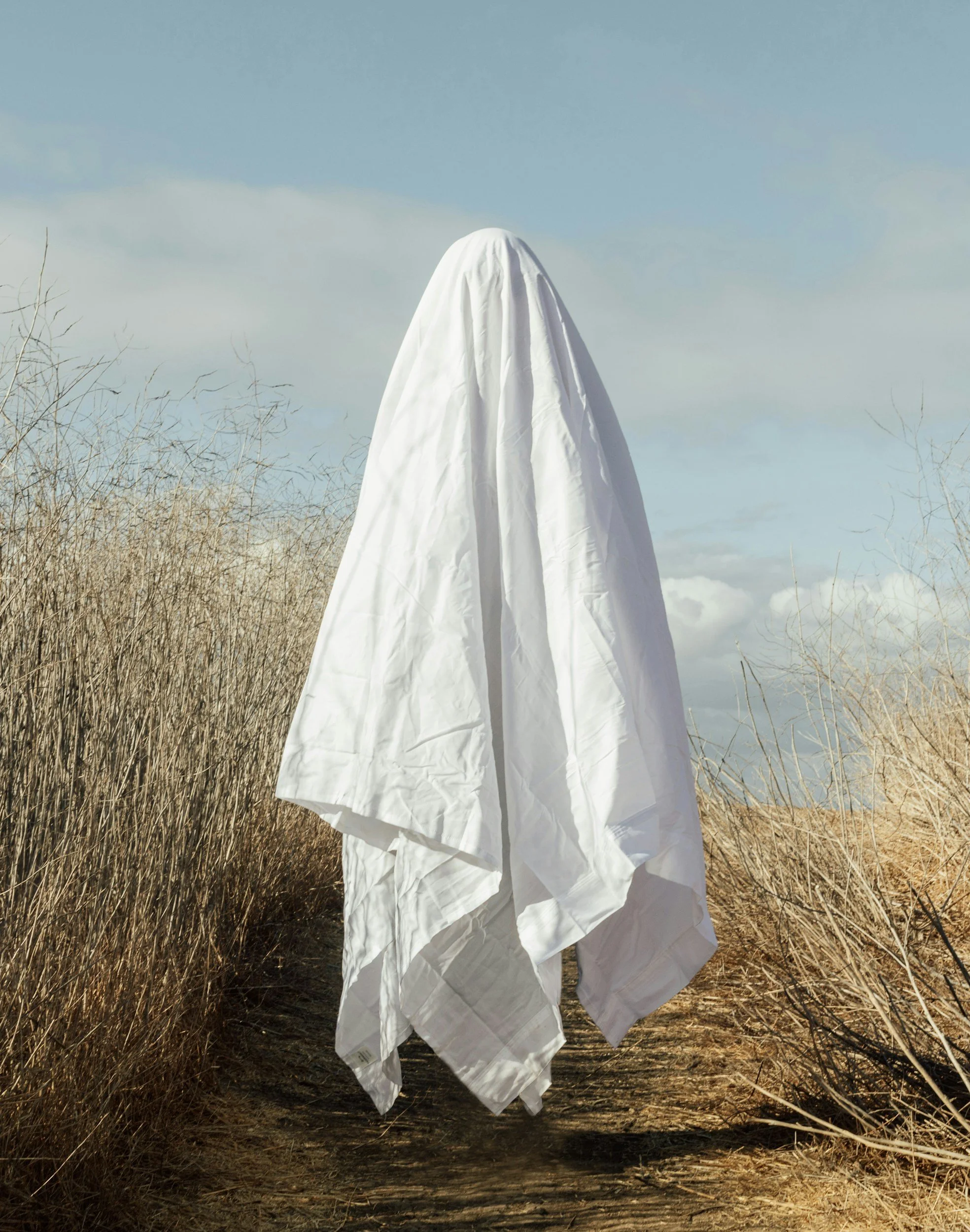
So, what could ghosts tell us about our modern, technical and globalised world? What would the ghosts of colonialism say? Would we listen, or are we too distracted? In 2024, I was lucky enough to secure Arts Council England DYCP funding to explore these questions. Under the mentorship of award winning author, A.L. Kennedy, I began the research and development of Inconvenient Ghosts, a collection of contemporary ghost stories that engage with themes of culture, legacy, and mental health. The collection is still currently being written.